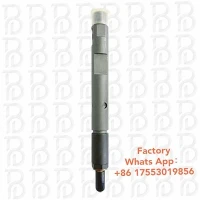
As a seasoned supplier of injector parts, I've witnessed firsthand the critical role that each component plays in the overall performance of an injector system. Among these components, the injector fuel filter stands out as an unsung hero, performing a vital function that often goes unnoticed until problems arise. In this blog post, I'll delve into the significance of the injector fuel filter within injector parts, exploring its functions, importance, and the implications of a malfunctioning filter.


Functions of the Injector Fuel Filter
The primary function of the injector fuel filter is to remove contaminants from the fuel before it reaches the injector. Diesel and gasoline fuels can contain various impurities, including dirt, rust, debris, and water. These contaminants can cause significant damage to the injector components, leading to reduced performance, increased emissions, and even complete injector failure.
- Contaminant Removal: The filter media within the injector fuel filter is designed to trap particles of various sizes, preventing them from entering the injector. This helps to protect the delicate internal components of the injector, such as the nozzles, plungers, and valves, from wear and damage. By removing contaminants, the fuel filter ensures that the fuel is clean and free of debris, which is essential for proper injector operation.
- Water Separation: In addition to removing solid contaminants, the injector fuel filter also plays a crucial role in separating water from the fuel. Water can cause corrosion and rust within the fuel system, leading to damage to the injector and other components. The filter media is designed to repel water, allowing it to collect at the bottom of the filter housing. Some filters are equipped with a water drain valve, which allows the collected water to be removed periodically.
- Fuel Flow Regulation: The injector fuel filter also helps to regulate the flow of fuel to the injector. The filter media has a specific porosity, which determines the rate at which fuel can pass through the filter. This ensures that the injector receives a consistent flow of fuel at the correct pressure, which is essential for proper combustion and engine performance.
Importance of the Injector Fuel Filter
The importance of the injector fuel filter cannot be overstated. A clean and properly functioning fuel filter is essential for the longevity and performance of the injector system. Here are some key reasons why the injector fuel filter is so important:
- Protecting the Injector: The fuel filter acts as a barrier between the fuel and the injector, preventing contaminants from entering and damaging the injector components. By protecting the injector from wear and damage, the fuel filter helps to extend its lifespan and reduce the need for costly repairs or replacements.
- Ensuring Proper Combustion: Clean fuel is essential for proper combustion in the engine. Contaminants in the fuel can cause incomplete combustion, leading to reduced power output, increased fuel consumption, and higher emissions. A clean fuel filter helps to ensure that the fuel is free of contaminants, allowing for efficient combustion and optimal engine performance.
- Preventing Injector Clogging: Contaminants in the fuel can accumulate in the injector nozzles, causing them to clog. A clogged injector can result in poor fuel atomization, which can lead to reduced power, rough idling, and increased emissions. By removing contaminants from the fuel, the fuel filter helps to prevent injector clogging and maintain proper injector operation.
- Maintaining Fuel System Integrity: The fuel filter is an integral part of the fuel system, and its proper functioning is essential for maintaining the integrity of the entire system. A malfunctioning fuel filter can cause problems downstream in the fuel system, such as damage to the fuel pump, pressure regulator, or other components. By ensuring that the fuel is clean and free of contaminants, the fuel filter helps to protect the entire fuel system from damage.
Implications of a Malfunctioning Filter
A malfunctioning injector fuel filter can have serious implications for the performance and reliability of the injector system. Here are some common symptoms of a malfunctioning fuel filter:
- Reduced Engine Performance: A clogged or dirty fuel filter can restrict the flow of fuel to the injector, resulting in reduced engine performance. This can manifest as a loss of power, decreased acceleration, and poor fuel economy.
- Rough Idling: A malfunctioning fuel filter can cause the engine to idle roughly or stall. This is because the injector may not be receiving enough fuel to maintain a steady idle.
- Increased Emissions: Contaminants in the fuel can cause incomplete combustion, leading to increased emissions. A malfunctioning fuel filter can contribute to this problem by allowing contaminants to enter the injector and cause poor fuel atomization.
- Injector Damage: If contaminants are allowed to pass through the fuel filter and enter the injector, they can cause damage to the injector components. This can result in costly repairs or replacements.
Importance of Regular Filter Replacement
To ensure the proper functioning of the injector system, it is important to replace the injector fuel filter at regular intervals. The recommended replacement interval can vary depending on the make and model of the vehicle, as well as the operating conditions. However, as a general rule, it is recommended to replace the fuel filter every 10,000 to 15,000 miles or every 1 to 2 years.
Regular filter replacement is essential for maintaining the performance and reliability of the injector system. By replacing the filter at the recommended intervals, you can prevent contaminants from accumulating in the filter and causing problems downstream in the fuel system. This can help to extend the lifespan of the injector and other components, reduce the risk of costly repairs, and ensure optimal engine performance.
Conclusion
In conclusion, the injector fuel filter plays a crucial role in the performance and reliability of the injector system. By removing contaminants from the fuel, separating water, and regulating fuel flow, the fuel filter helps to protect the injector from wear and damage, ensure proper combustion, and maintain the integrity of the entire fuel system. A malfunctioning fuel filter can have serious implications for the performance and reliability of the engine, so it is important to replace the filter at regular intervals.
As a leading supplier of injector parts, we offer a wide range of high-quality Real Factory Diesel Engine Repair Kit For 09500-5550 095005550 Common Rail Injector Oil Seal Kit OEM Quality, including injector fuel filters, to meet the needs of our customers. Our products are manufactured to the highest standards of quality and performance, and we are committed to providing our customers with the best possible service and support.
If you are in need of injector parts or have any questions about the role of the injector fuel filter, please do not hesitate to contact us. We would be happy to assist you with your procurement needs and provide you with the information and support you need to make an informed decision.
References
- Heywood, J. B. (1988). Internal combustion engine fundamentals. McGraw-Hill.
- Stone, R. (1999). Introduction to internal combustion engines. Society of Automotive Engineers.
- Henein, N. A., & Willi, R. (2000). Internal combustion engines: applied thermosciences. Taylor & Francis.