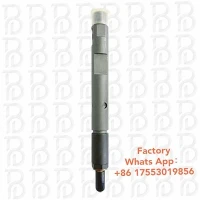
Hey there! I'm a supplier of injector housings, and today I wanna talk about how to check for fuel leakage from an injector housing. This is super important, because fuel leakage can lead to all sorts of problems, like decreased engine performance, increased fuel consumption, and even safety hazards. So, let's dive right in!
Why Fuel Leakage Happens
First off, it's good to know why fuel leakage might occur in an injector housing. There are a few reasons. One common cause is worn - out seals. Over time, the seals around the injector housing can get damaged, cracked, or just plain old, which lets fuel seep out. Another reason could be issues with the injector itself. If the injector isn't working properly, it might not be able to maintain the right pressure, and that can cause fuel to leak. And sometimes, physical damage to the injector housing, like cracks or dents from an impact, can also lead to fuel leakage.
Tools You'll Need
Before you start checking for fuel leakage, you'll need a few tools. You'll want a good pair of safety glasses to protect your eyes from any fuel splashes. A flashlight is also really handy, especially if you're working in a poorly - lit area. A pressure gauge can be useful for measuring the pressure in the fuel system. And of course, some cleaning materials like a rag and a suitable cleaning solvent to clean up any fuel that might be around the injector housing.
Step - by - Step Check
- Visual Inspection
- The first step is a simple visual inspection. Park your vehicle in a well - ventilated area and make sure the engine is off and cooled down. This is for your safety, because hot fuel can be dangerous.
- Take a look at the injector housing. Look for any obvious signs of fuel on the outside. Sometimes, you'll see wet spots or a smell of fuel around the injector housing. If you notice any fuel on the housing, it could be a sign of a leak.
- Check the seals around the injector housing. If they look worn, damaged, or have any kind of gap, they might be the source of the leak. Remember, a small gap can let fuel out over time.
- Pressure Testing
- If you don't see any obvious visual signs of leakage, it's time to do a pressure test. Connect the pressure gauge to the fuel system according to the manufacturer's instructions.
- Start the engine and let it run at idle. The pressure gauge will show you the pressure in the fuel system. Compare this pressure to the recommended pressure for your vehicle. If the pressure is lower than it should be, it could indicate a leak in the injector housing or somewhere else in the fuel system.
- You can also increase the engine speed a bit and check the pressure again. Sometimes, a leak might only be detectable under higher pressure conditions.
- Using a Leak Detection Dye
- Another way to check for fuel leakage is by using a leak detection dye. Add the dye to the fuel tank according to the product instructions.
- Then, start the engine and let it run for a while to circulate the dye in the fuel system.
- After that, use a UV light to inspect the injector housing. The dye will glow under the UV light, making it easier to spot any leaks. This method can be really effective for finding small, hard - to - see leaks.
Our Injector Housings
We're a reliable supplier of injector housings, and we've got some great products. For example, we offer the Real Factory Electric Diesel Common Rail Injector Housing 095000 - 1980 0950001980 OEM Quality. This injector housing is made to meet OEM standards, which means it's high - quality and will work well in your vehicle.
We also have the Real Factory Diesel Common Rail Injector Housing 0950006030 OEM Quality. It's built tough and designed to prevent fuel leakage and other common problems. Our injector housings are made from top - grade materials, and we've got a strict quality control process to make sure you get the best product possible.
Conclusion
Checking for fuel leakage from an injector housing is an important task that every vehicle owner or mechanic should know how to do. By following the steps I've outlined above - visual inspection, pressure testing, and using a leak detection dye - you can find and fix any fuel leakage issues before they cause serious problems.


If you're in the market for a new injector housing, don't hesitate to reach out. We're here to help you find the right product for your needs. Whether you're a professional mechanic or a DIY enthusiast, our injector housings will serve you well. So, if you have any questions or want to discuss a purchase, just get in touch, and we'll start the conversation.
References
- Automotive Repair Manuals
- Manufacturer's Specifications for Injector Housings
- Fuel System Leak Detection Guides